
Bitcoin is moving from holding to usage
Bitcoin has been primarily held as a store of value within portfolios. Capital is allocated, exposure is established, and performance follows market price. This model defines Bitcoin as a passive position within portfolio construction.
Financial institutions are starting to recognise Bitcoin as collateral. Major institutions such as JPMorgan and regulators like the Commodity Futures Trading Commission are exploring its use in lending and derivatives markets. Assets are pledged, capital is borrowed, and positions are extended without selling the underlying Bitcoin. This introduces a different role for Bitcoin within financial systems.
Collateral changes how Bitcoin is used and brings focus to how Bitcoin is built.
Collateral introduces a second layer of capital deployment
Collateral allows access to capital without liquidating the asset. Bitcoin can be pledged to obtain liquidity, which can then be deployed across other opportunities. This creates a second layer of capital activity on top of the original position.
The asset remains on the balance sheet while capital derived from it is put to work. This structure increases capital efficiency and expands how Bitcoin contributes to portfolio performance.
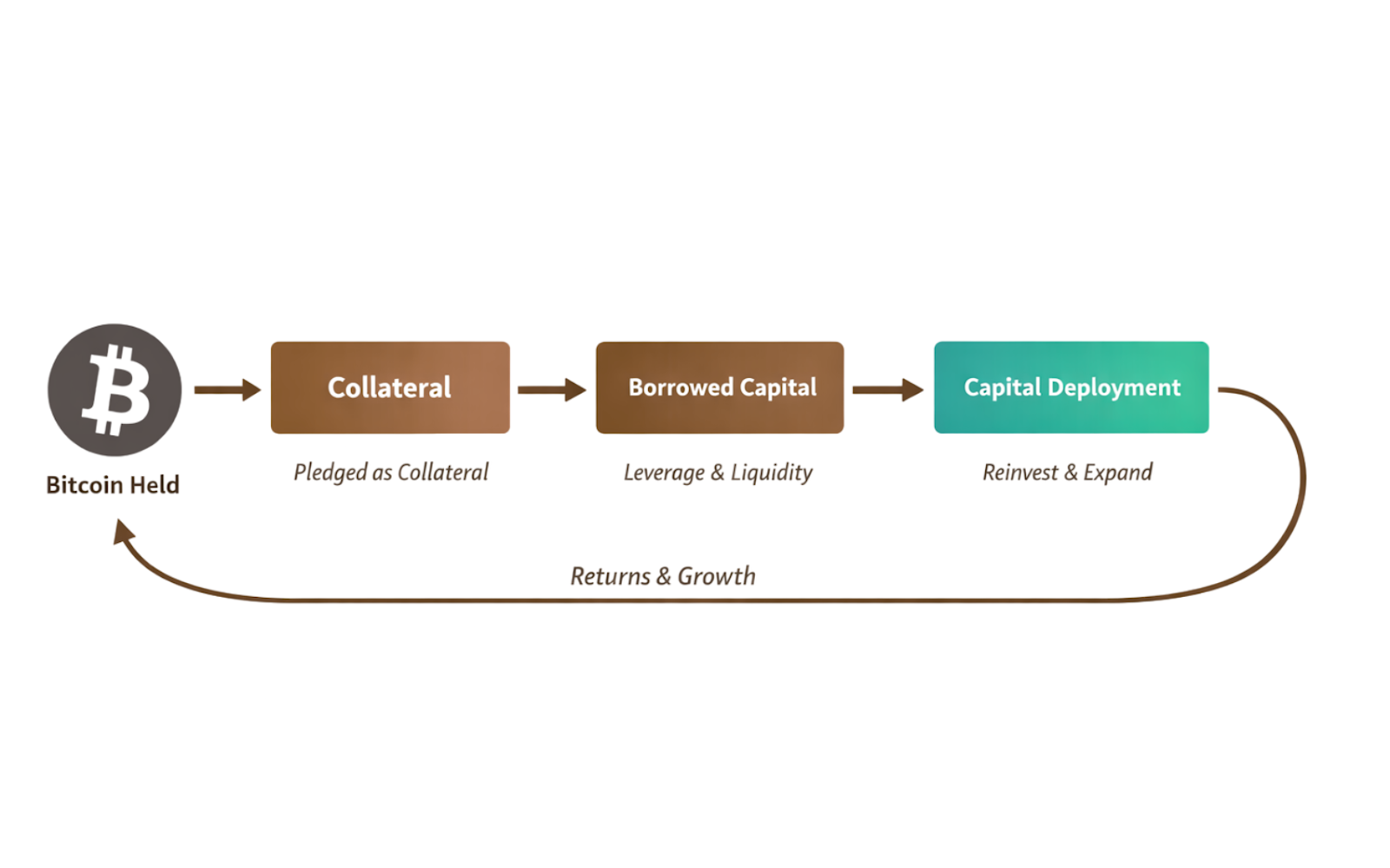 Figure 1: Bitcoin collateral cycle and capital deployment
The diagram shows how Bitcoin is pledged to access liquidity and deploy additional capital while the original position remains intact. This structure adds a second layer of capital activity and improves capital efficiency through continuous deployment.
Cost basis becomes central to collateral efficiency
Collateral value depends on the quality and structure of the underlying asset. The cost basis of Bitcoin determines the flexibility within financing structures. Lower cost basis increases resilience and improves capital deployment capacity.
Production builds Bitcoin exposure through controlled cost inputs over time. This creates a structurally different collateral base than a market purchase at a fixed price. The quality of exposure influences how effectively it can be used within financial systems.
Collateral integrates Bitcoin into financial systems.
Using Bitcoin as collateral connects it to lending frameworks, balance sheet structures, and capital markets. This expands its role from a standalone asset to a functional component within financial operations.
Capital flows begin to interact with Bitcoin through structured mechanisms rather than simple ownership. This increases its relevance within institutional allocation models.
Production strengthens the collateral base
Collateral efficiency depends on how Bitcoin exposure is built. Production creates exposure through cost and time, resulting in a position that reflects operational inputs rather than a single market entry.
This structure supports stronger collateral positioning. Capital deployed into production builds an asset base that can be used within financial systems with greater control over cost and accumulation.
Structuring Bitcoin for capital efficiency
Bitcoin is moving into a role where it can support broader capital strategies. Exposure is no longer limited to price appreciation. It becomes part of how capital is structured, deployed, and managed across time.
Understanding how Bitcoin is built and used allows for more precise positioning within portfolios. This includes both how exposure is acquired and how it is integrated into financial systems.
Related insights on Bitcoin exposure and production